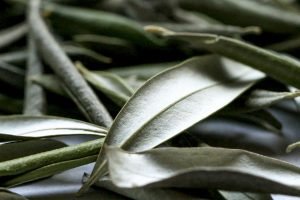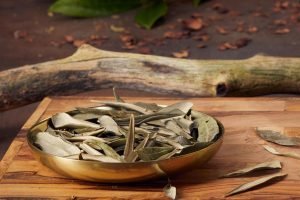
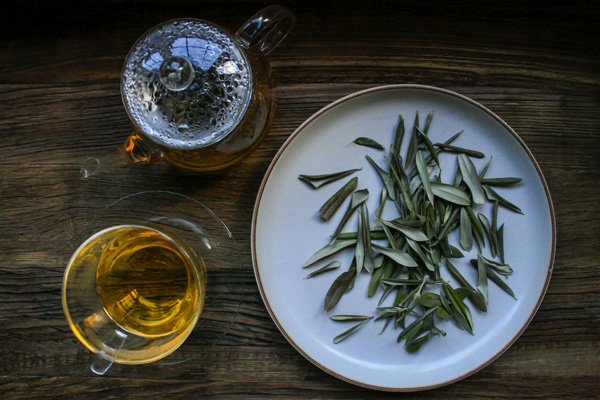
Olive Leaf Tea has been enjoyed for centuries as a naturally caffeine-free herbal infusion made from the leaves of the olive tree (Olea europaea). Today, it is increasingly valued by herbal tea enthusiasts for its distinctive flavour and naturally occurring plant compounds, including polyphenols such as oleuropein and hydroxytyrosol.
Researchers continue to study these naturally occurring compounds to better understand their biological activity. While scientific interest in olive leaves has grown considerably, it is important to distinguish between promising laboratory research and proven health benefits in humans.
What Makes Olive Leaf Tea Unique?
Olive leaves naturally contain a variety of plant compounds, including:
- Oleuropein
- Hydroxytyrosol
- Flavonoids
- Polyphenols
These naturally occurring compounds have attracted scientific interest because of their antioxidant properties and their potential biological activity in laboratory research.
What Does Current Research Show?
Scientists have investigated olive leaf compounds in laboratory, animal and human studies across a wide range of research areas.
Some laboratory studies have suggested that naturally occurring compounds such as oleuropein may influence how certain cells behave under experimental conditions, including cancer cell lines. Reviews of pre-clinical research have reported encouraging findings in laboratory and animal studies. However, these findings have largely been observed under controlled experimental conditions and cannot be assumed to occur in humans.
Current evidence from human clinical studies remains limited. More well-designed, large-scale clinical trials are needed before definitive conclusions can be drawn regarding the effects of olive leaf compounds in people.
Importantly, much of the published research has investigated concentrated olive leaf extracts or isolated plant compounds, rather than Olive Leaf Tea prepared as a beverage. As extracts contain much higher concentrations of bioactive compounds than herbal tea infusions, these findings should not be assumed to apply directly to drinking Olive Leaf Tea.
At present, there is insufficient high-quality human evidence to conclude that drinking Olive Leaf Tea can prevent, reduce the risk of, treat or cure cancer or any other disease. Accordingly, there are no authorised UK health claims permitting such statements for Olive Leaf Tea products.
Enjoying Olive Leaf Tea as Part of a Healthy Lifestyle
Many people choose Olive Leaf Tea because it is:
- Naturally caffeine-free
- Refreshing and enjoyable throughout the day
- Made from olive leaves that naturally contain polyphenols
- A simple addition to a varied and balanced diet
Like many herbal teas, Olive Leaf Tea can be enjoyed as part of an overall healthy lifestyle that includes a balanced diet, regular physical activity, adequate sleep and other positive lifestyle habits.
Our Commitment to Quality
We carefully source premium-quality olive leaves to create a refreshing herbal tea that preserves the plant’s naturally occurring compounds while delivering a smooth, enjoyable flavour.
We believe in providing information that reflects current scientific understanding while remaining transparent about what research can—and cannot—currently demonstrate.
Important Consumer Information
Research into olive leaf compounds continues to evolve. Although laboratory, animal and early clinical studies have produced encouraging findings, further high-quality human clinical research is required before definitive health conclusions can be made.
Olive Leaf Tea is a traditional herbal infusion and is not intended to diagnose, treat, cure or prevent any disease. It should not be used as a substitute for prescribed medication, medical treatment or advice from your GP or another qualified healthcare professional.
References
- Rishmawi S, et al. A Comprehensive Review on the Anti-Cancer Effects of Oleuropein. International Journal of Molecular Sciences. 2022. This review summarises laboratory and pre-clinical evidence investigating oleuropein and cancer biology.
- Aktas HG, et al. Prophylactic Olive Leaf Tea as a Nutraceutical Strategy. 2025. This experimental research investigated olive leaf tea in an animal model and concluded that further human clinical studies are required before health benefits can be established.
- Omar SH. Oleuropein in Olive and its Pharmacological Effects. Scientia Pharmaceutica. 2010;78(2):133–154. A comprehensive review of oleuropein and its biological properties.
- European Food Safety Authority (EFSA). EU Register of Nutrition and Health Claims. The only authorised health claim relating to olive polyphenols concerns olive oil polyphenols contributing to the protection of blood lipids from oxidative stress under specific conditions. This authorised claim does not apply to Olive Leaf Tea.
- UK Nutrition and Health Claims Regulation (Assimilated Regulation (EC) No. 1924/2006) and the UK Advertising Standards Authority (ASA) CAP Code require that health claims used in food marketing are authorised and supported by appropriate scientific evidence. Claims that a food can prevent, treat or cure disease are not permitted unless specifically authorised.
Disclaimer
This article is provided for general informational and educational purposes only and reflects published scientific literature available at the time of writing.
The studies discussed primarily relate to laboratory research, animal studies, concentrated olive leaf extracts or isolated plant compounds, rather than Olive Leaf Tea consumed as a beverage. Because extracts are significantly more concentrated than herbal tea infusions, the findings of these studies should not be interpreted as evidence that drinking Olive Leaf Tea produces the same effects in humans.
Olive Leaf Tea is not intended to diagnose, treat, cure or prevent any disease, including cancer, cardiovascular disease or diabetes. No statements within this article should be interpreted as medical advice or as authorised health claims under UK food legislation.
If you are pregnant or breastfeeding, have an existing medical condition, or are taking prescription medication, consult your GP or another qualified healthcare professional before regularly consuming herbal products.
Individual responses to herbal products may vary. Olive Leaf Tea should be enjoyed as part of a varied, balanced diet and healthy lifestyle.
Discover Our Premium Olive Leaf Tea
Our premium Olive Leaf Tea is carefully crafted using high-quality olive leaves to produce a smooth, refreshing herbal infusion. Naturally caffeine-free and rich in naturally occurring plant compounds, it is an enjoyable addition to a healthy, balanced lifestyle.
Explore our collection and discover the refreshing taste of premium Olive Leaf Tea today.