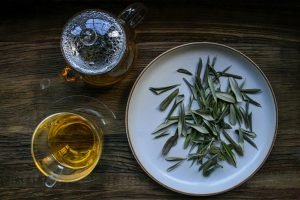
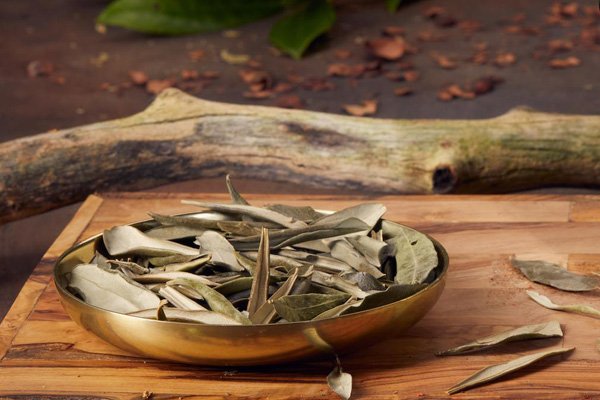
Olive Leaf Tea has been enjoyed for generations as a naturally caffeine-free herbal infusion made from the leaves of the olive tree (Olea europaea). In recent years, researchers have shown increasing interest in the naturally occurring plant compounds found in olive leaves, particularly polyphenols such as oleuropein and hydroxytyrosol.
These compounds have been studied in laboratory, animal and human research for a variety of biological properties. However, it is important to understand what current research can—and cannot—tell us.
Naturally Occurring Plant Compounds
Olive leaves naturally contain a range of bioactive compounds, including:
- Oleuropein
- Hydroxytyrosol
- Flavonoids
- Polyphenols
These naturally occurring compounds contribute to the unique composition of olive leaves and continue to be the subject of scientific investigation.
What Does Current Research Show?
Researchers have explored olive leaf extracts in relation to several areas of health, including glucose metabolism and insulin function.
Some clinical studies have investigated whether concentrated olive leaf extract may influence insulin sensitivity and blood sugar regulation in certain groups of people. Several studies have reported encouraging findings, including improvements in markers of insulin function. However, the available evidence remains limited, many studies have involved relatively small numbers of participants, and further well-designed, large-scale clinical trials are needed before firm conclusions can be reached.
It is also important to note that the majority of published research has examined standardised olive leaf extracts, which are significantly more concentrated than Olive Leaf Tea prepared as a beverage. Therefore, these findings should not be assumed to apply directly to drinking Olive Leaf Tea.
For these reasons, there is currently no authorised UK health claim stating that Olive Leaf Tea helps regulate blood sugar, improves insulin sensitivity or assists in the management of diabetes.
Why Choose Olive Leaf Tea?
Many people enjoy Olive Leaf Tea because it is:
- Naturally caffeine-free
- Rich in naturally occurring plant compounds
- Smooth, refreshing and enjoyable hot or cold
- A simple way to enjoy a traditional herbal infusion as part of a varied and balanced diet
Whether enjoyed first thing in the morning or as an evening herbal tea, Olive Leaf Tea offers a refreshing alternative to caffeinated drinks.
Enjoy Olive Leaf Tea as Part of a Healthy Lifestyle
A balanced diet, regular physical activity, maintaining a healthy weight and following advice from your healthcare professional remain the most important ways to support long-term health.
Olive Leaf Tea can be enjoyed as part of these healthy lifestyle habits and provides a pleasant way to increase your intake of naturally caffeine-free herbal beverages.
Important Information
Olive Leaf Tea is not intended to diagnose, treat, cure or prevent any disease, including diabetes.
If you have diabetes, pre-diabetes or any other medical condition, or if you take medicines that affect blood sugar levels, you should consult your GP, diabetes specialist or pharmacist before regularly consuming herbal products.
Never stop, reduce or alter prescribed medication without first seeking medical advice.
References
- de Bock M, Derraik JGB, Brennan CM, et al. Olive (Olea europaea L.) leaf polyphenols improve insulin sensitivity in middle-aged overweight men: a randomised, placebo-controlled, crossover trial. PLoS ONE. 2013;8(3):e57622.
- Lockyer S, Rowland I, Spencer JPE, Yaqoob P, Stonehouse W. Impact of phenolic-rich olive leaf extract on blood pressure, plasma lipids and inflammatory markers: a randomised controlled trial. European Journal of Nutrition. 2017;56(4):1421–1432.
- Omar SH. Oleuropein in olive and its pharmacological effects. Scientia Pharmaceutica. 2010;78(2):133–154.
- Gorzynik-Debicka M, Przychodzen P, Cappello F, et al. Potential health benefits of olive oil and plant polyphenols. International Journal of Molecular Sciences. 2018;19(3):686.
- El SN, Karakaya S. Olive tree (Olea europaea) leaves: potential beneficial effects on human health. Nutrition Reviews. 2009;67(11):632–638.
Disclaimer
This article is provided for general informational and educational purposes only and should not be interpreted as medical advice.
The scientific studies referenced primarily relate to olive leaf extract or naturally occurring compounds found in olive leaves, rather than Olive Leaf Tea itself. Because concentrated extracts differ significantly from herbal tea infusions, the findings of these studies should not be assumed to apply directly to drinking Olive Leaf Tea.
Olive Leaf Tea should be enjoyed as part of a healthy, balanced diet and lifestyle. It is not intended to diagnose, treat, cure or prevent any disease, and should not be used as a substitute for a balanced diet, prescribed medication or professional medical advice.
If you have diabetes, are pregnant or breastfeeding, have an underlying medical condition, or are taking prescription medication, consult your GP or another qualified healthcare professional before regularly consuming herbal products.
Discover Our Premium Olive Leaf Tea
Our premium Olive Leaf Tea is carefully crafted from high-quality olive leaves to produce a smooth, refreshing herbal infusion. Naturally caffeine-free and rich in naturally occurring plant compounds, it is an enjoyable addition to a varied and balanced lifestyle.
Explore our collection and experience the refreshing taste of Olive Leaf Tea today.